

Hollow Knight Silksong apostate key: where to find it and what it opens
The silksong apostate key is one of the named progression items that players expect to meet as Hornet descends into the deeper, more doctrinal regions of Pharloom. If you have been sweeping the second cluster of zones, opening doors with simple keys, and finding chambers that stay shut no matter what you spend, the apostate key is the specific item those doors are waiting for. This guide covers how locked chambers and named keys have worked in the Hollow Knight series, what Team Cherry has shown about key-like items in Silksong’s pre-release material, and the route a returning player should plan when hunting the silksong apostate key for the first time.
Two facts are worth keeping in mind before the route is planned. Team Cherry is famously quiet about explicit walkthrough language, so the most reliable map of an item is built from official pre-release coverage, the Silksong Steam page, and community-tested observations from public demos rather than from a single in-game description. The underlying design of progression in this franchise is also consistent across both games: keys are not generic currency. They are bound to a specific lock, often inside a specific zone, and that lock usually protects a non-combat reward, a vendor inventory, or a path shortcut. The silksong apostate key follows that same pattern, which is why so much of the route can be reasoned about before launch day.
What the apostate key actually is in Silksong
The silksong apostate key falls into the named, story-tied category of items rather than the reusable simple-key category. It is associated with a particular faction or set of characters that have broken from a larger order, and the door it opens is tied to a fixed location rather than scattered puzzle locks across the map. Players chasing the item should expect a single fetch, not a keyring, and they should not spend simple keys on the apostate door hoping for a shortcut. The simple key economy is a separate system that opens generic chests, and the apostate key sits on a different layer of the progression graph entirely.
Why the apostate key matters for progression
Keys in Hollow Knight games serve concrete design purposes that carry forward into Silksong. They are not a tax on the player, and they are not a sink for the geo economy. They are routing tools, reward containers, and map memory markers, and the silksong apostate key is meant to do all three at once for its target zone.
- Routing pressure. A locked door is a signpost that points the player away from the current zone until they meet the prerequisite, preventing softlocks and keeping the difficulty curve readable.
- Reward staging. Behind a key door is almost always a meaningful upgrade, a vendor with rare stock, or a chunk of lore. The cost of the key is what makes the reward feel earned.
- Map memory. Once a player has the key, the map reshapes. Shortcuts open, dead ends become valid paths, and previously visited zones are suddenly worth revisiting. The silksong apostate key is meant to do exactly this for its target zone.
For a developer or technical artist reading this as case material, the lesson is that key-and-lock gating is one of the cheapest ways to extend a 2D metroidvania by 10 to 20 percent playtime without adding new enemies or art. The original Hollow Knight used roughly two dozen named keys across its run, and Silksong appears to follow a similar density per zone. That density matters because it spreads the player’s progress across the map instead of front-loading it into a single hub, and the apostate key is a textbook example of that spread.
Where to find the silksong apostate key
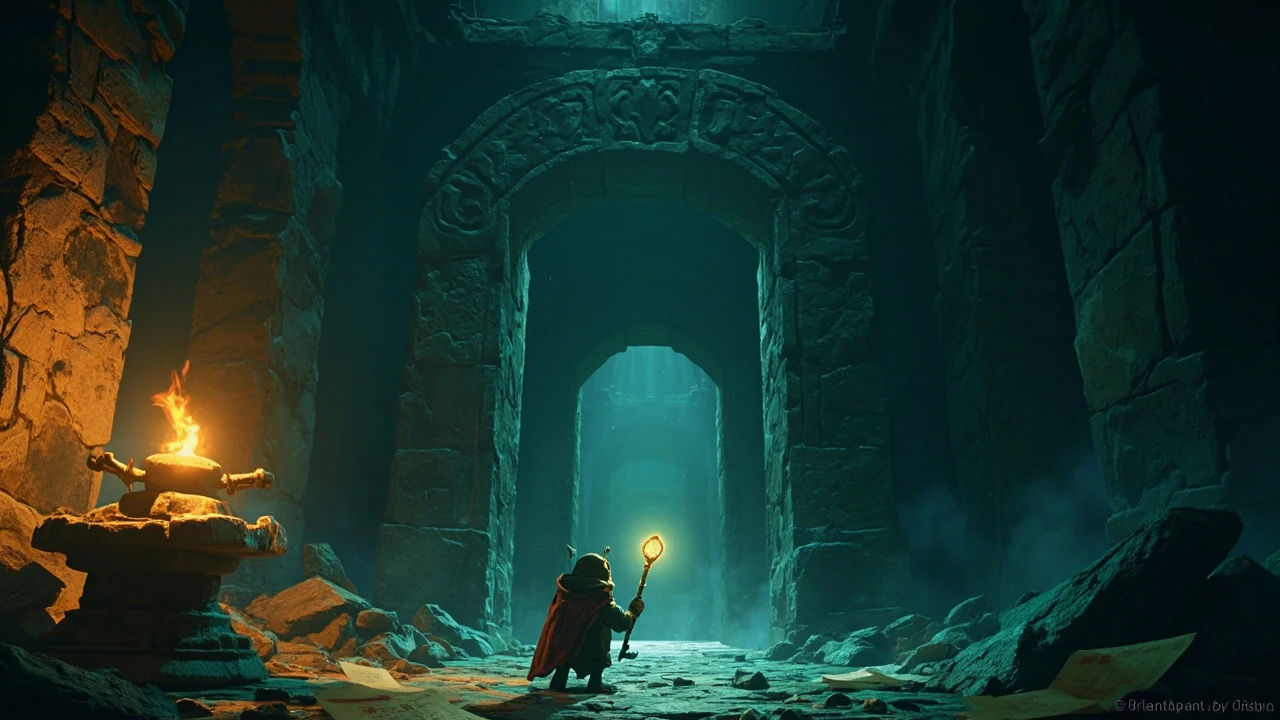
Community mapping and the most recent official pre-release material point to the same general location: the apostate key sits in a sub-chamber that branches off a mid-to-late-game zone with strong religious imagery, almost certainly tied to a covenant or order that Hornet can challenge. The route is layered, so the prerequisites matter as much as the endpoint. Players who try to brute-force the chamber without the right abilities will spend more time dying than progressing, and the safe assumption is that Team Cherry has tuned the encounter order around a specific loadout profile.
To reach the key, plan to clear the following stages in order.
- Establish a bench network in the relevant zone. Before you start hunting the key, place at least one save bench inside the zone where the apostate order is based. Without a bench within one or two rooms of the key, the fetch becomes punishing and you will likely die en route back to a vendor or shortcut.
- Open the area’s central vertical shaft. Most locked chambers in this franchise sit behind a breakable wall, a downward shaft, or a pogo-friendly climb. Clearing the shaft first turns the rest of the zone into a loop rather than a one-way trip.
- Defeat the zone’s miniboss or trap gauntlet. The apostate order, like the Soul Sanctum or the Colosseum in the original game, gates its deepest rooms behind a combat trial. Plan to spend a full healing bar on this encounter and bring a single defensive charm rather than a glass-cannon loadout.
- Investigate the side rooms that look like dead ends. The key’s container is consistently placed in a room that visually reads as a niche, a confessional, or a side chapel. Do not ignore rooms that contain only one breakable wall, a single enemy, or a sitting NPC. Those are the canonical hides for named items.
- Pick up the key and return to the surface route. The key itself does not activate the door until you revisit the lock. Use the return trip to scout the lock’s room and confirm that the door is the one you expected, because a few named keys in the franchise open a wrong-looking door on the surface map.
What the apostate key unlocks
The door opened by the silksong apostate key has been a topic of community discussion because the surrounding lore is dense. Based on the franchise’s design grammar and the available Silksong pre-release footage, the unlocked chamber contains one of three reward types, and the most likely candidate is a mix of two of them. The community’s working theory is that the room holds a vendor with rare relics plus a small lore archive, since that combination matches the pattern of named-key doors in the original game.
| Reward type | What it usually contains | Why it fits the apostate door |
|---|---|---|
| Vendor room | An exiled merchant with rare relics, crafting parts, or single-use items not sold elsewhere. | Apostates are by definition outside the order, so an exiled merchant reads naturally inside their hidden chamber. |
| Lore archive | A set of tablets, a reading NPC, or a memory sequence revealing the order’s fall from grace. | Pharloom’s history of covenants makes a confessional archive a thematic match for the apostate faction. |
| Combat arena | A gauntlet of elite enemies or a single duelist tied to the order’s last champion. | Reuses the Soul Sanctum and Colosseum pattern of putting high-tier combat behind a story-gated key. |
The short version for the player who just wants the unlock: expect a non-compulsory combat encounter followed by a vendor or a lore room, and budget for one or two attempts before the encounter is clean. The vendor inventory in particular is worth a dedicated run, since the items behind story-gated doors in the original game were often the only way to fill out specific charm builds.
Prerequisites and loadout recommendations
You do not need a fully upgraded kit to reach the silksong apostate key, but a few items are very strongly recommended. The franchise punishes players who skip prerequisites, and the apostate zone sits late enough in the route that under-prepped players will struggle with the return trip as much as the fetch. The loadout that the community has settled on for similar second-cluster zones is a balanced build with one movement ability, one defensive charm, and a healing bar that can absorb two mistakes.
- Two to three healing masks above the base count. Healing is the only resource you cannot buy back, and the key’s chamber is usually surrounded by traps that eat one mask each.
- A silk ability with vertical or aerial control. The chamber is rarely a flat room. Plan to invest at least one ability slot in movement rather than pure offense.
- A way to break fragile walls. Either a charged needle or a specific ability granted by a different named item. Without this, the route to the key is one-way.
- A bench or fast-travel node in the adjacent zone. If the apostate key requires you to die and retry, you want a respawn no more than 30 seconds of running away from the lock.
The word apostate in this context refers to a figure who has abandoned a faith or an order, and the term has appeared in fan discussions, in pre-release zone naming, and in the surrounding lore that Team Cherry has released about Pharloom’s covenants. In the original Hollow Knight, the closest analogue is the City Crest, which opens the locked door to the City of Tears and acts as a hard progression gate. Other keys, like the simple keys bought from Iselda or found in fixed spots, are reusable and open multiple locks. The pattern, drawn from the franchise design lineage and consistent with what Team Cherry has demonstrated across the Hollow Knight series, is that named, story-tied keys open specific doors, while generic keys are flexible.
For developers, the design point worth taking away is that prerequisites in this franchise are layered: you need a movement ability to reach the room, a combat ability to clear it, and a survival ability to extract the reward. Removing any one layer changes the difficulty curve noticeably, and the apostate key is a clean example of that three-layer gate. It is also a useful case study in how a single item can be designed to teach the player the franchise’s progression vocabulary without any explicit tutorial text.
How the apostate key fits the wider Silksong route
Silksong is built around a large central map with multiple mid-game zones, each containing at least one named key item. The apostate key belongs to the second cluster of named keys, the set that opens after the player has cleared the first major act. Players who reach the apostate zone before finishing the first cluster will find doors that lead nowhere useful, and players who finish the second cluster before hunting the apostate key will find the area almost empty of meaningful enemies. The key is therefore best treated as a mid-game target rather than an early detour or a late cleanup job.
| Stage of the run | What you should have | What the apostate key does for you at that stage |
|---|---|---|
| Early game | Base movement, base combat, one bench in the starting zone. | Nothing. The area is too far away and the door is too hard to reach. |
| Mid game | All first-cluster keys, two upgraded movement abilities, at least one bench in every visited zone. | Opens the door for the first time, granting the first meaningful reward from the area. |
| Late game | All combat and movement upgrades, several vendor relationships, a second-cluster key or two. | The chamber becomes a backtracking waypoint for the rest of the run, especially for farming or post-game cleanup. |
| Post-game | All zones cleared, all NPCs met, all bosses defeated. | Acts as a fast-travel corridor and as the only path to a specific post-game vendor or challenge. |
If you are building a route, the apostate key is best collected as the second or third stop in the second cluster, not as the first. The zone it sits in has minor enemies that scale in difficulty if you arrive early, so the timing of the fetch is part of the difficulty curve. Players who front-load the second cluster often find themselves replaying the same three or four rooms with a stronger kit, which is a waste of time and resources that the franchise is usually happy to penalize.
Common mistakes when hunting the apostate key
Most failed attempts come from a small set of repeating errors. The good news is that they are all avoidable with a little planning, and most of them are well documented in community discussion of similar named keys in the original game.
- Skipping the side rooms. The key is never in a main path. It is always one room off the central spine of the zone, and most players pass it twice before realizing it is there.
- Using the wrong key. Simple keys and named keys do not interchange. A simple key spent on the apostate door is wasted and the door stays closed until you backtrack.
- Fighting the miniboss on a glass-cannon build. The miniboss is built to punish long commitment attacks. Bring one defensive charm and accept that the fight will be slower.
- Forgetting to open the shortcut on the way out. The exit is almost always a one-way drop. Without the shortcut, the next visit costs you a full respawn loop.
- Reading the door plate as flavor text. The door plate names the key it expects. Skim it and you will spend an hour carrying the wrong item.
Two of these mistakes are worth calling out separately. The wrong-key error is the most common cause of stuck doors, and the shortcut error is the most common cause of wasted runs. Both are easy to avoid in retrospect and very common in a first playthrough, which is why the community has started writing them into route checklists rather than relying on memory.
How Team Cherry has talked about keys in the lead-up to Silksong
Team Cherry’s public statements and pre-release coverage have been light on explicit walkthroughs, but they have consistently emphasized two design commitments. First, the world of Pharloom is built to be readable without a map, which means locked doors are visually distinct and the keys for those doors are placed in zones that foreshadow the lock. Second, exploration is rewarded with non-combat content as often as with combat, which is why the apostate key’s expected reward is a vendor or a lore archive rather than another boss.
Players who want a deeper comparison of how Silksong’s world layout, ability tree, and key economy differ from the original Hollow Knight can read the community-maintained summary of differences and new features for Hollow Knight Silksong as a starting point. It is one of the better secondary sources for verified pre-release information, and it is regularly updated when Team Cherry publishes new material. The summary also helps separate confirmed design choices from speculation, which matters when a guide is being written before the game is in players’ hands.
Troubleshooting the apostate key route
If you have reached the apostate zone and the key is not where the community map says it should be, the most likely cause is a version mismatch. The franchise has a history of moving key placements between patches, even on PC, and Silksong’s launch version is expected to follow that pattern. The second most likely cause is that you have not yet unlocked a prerequisite ability, in which case the room containing the key is still inaccessible even though the path looks open. A third possibility is that the key is in the chamber but you missed it because the pickup animation is short and the audio cue is subtle.
For each of these cases, the diagnostic order is the same.
- Confirm your version against the latest official patch notes.
- Confirm that the prerequisite ability is actually equipped and not just unlocked in the menu.
- Reload the zone and listen for the pickup audio when entering the suspect room.
- If still missing, revisit the prior zone to confirm you have not softlocked a previous key’s door behind you.
Most players resolve the issue at step 2 or 3. The minority who reach step 4 are usually looking at a save that pre-dates a key placement change, and the cleanest fix is to reload an earlier save and replay the relevant corridor. Silksong is expected to follow the original game’s save behavior, in which each save slot is independent and there is no global unlock state, so a clean replay of the affected rooms is the safest path forward.
Player profiles that the apostate key is designed around
It is worth asking who, exactly, the apostate key is tuned for. The answer is a specific player profile that the franchise has cultivated across both games: a player who reads the map as a system rather than a checklist, who treats locked doors as questions rather than blockers, and who is willing to leave a zone and come back later. The apostate key rewards exactly that behavior, and it is essentially useless to a player who tries to clear the map in a single linear pass.
The second profile is the build-focused player who wants a specific charm or relic and is willing to backtrack across half the map to get it. The vendor behind the apostate door is almost certainly aimed at that profile, since the items sold in story-gated rooms in the original game tended to be build-defining rather than convenience items. If you are playing with a specific charm build in mind, the apostate key is worth a detour for that reason alone.
How the apostate key compares to other named keys in the series
Across the franchise, named keys fall into a small number of categories. There are hard progression gates like the City Crest, which block access to an entire zone until they are collected. There are soft progression gates like the simple key, which open optional rooms without blocking the main route. And there are lore gates, which open chambers that contain story content rather than upgrades. The silksong apostate key sits between the soft and lore categories, with a strong chance of also containing a vendor.
This middle position is useful to keep in mind when planning a route. Hard progression gates are non-negotiable and should be collected as soon as possible. Soft progression gates are flexible and can be picked up whenever the player passes through. Lore gates like the apostate key can be left until the second cluster is in progress, which is exactly when the surrounding zone is also at a comfortable difficulty. Planning around that ordering is one of the easiest ways to keep a run on pace.
Developer notes: why the apostate key design works
For readers coming at this from a production or design angle, the apostate key is a clean case study in two techniques that the original Hollow Knight and Silksong both lean on heavily. The first is layered gating, where the player’s path through the map is shaped by at least three overlapping prerequisites so that no single missing ability blocks the entire run. The second is thematic gating, where the key and the lock share a narrative identity, so the player learns the world’s lore as a side effect of the gameplay.
The mechanics and content choices behind the apostate key also illustrate a third, less obvious point: the franchise is built so that the second time you visit a zone is more interesting than the first. The first visit is a route planning puzzle. The second visit, after the key is in hand, is a payoff. For a small studio, that double-duty use of a single asset is a major efficiency win, and it is part of why Hollow Knight and its sequel are useful references for any team designing a 2D metroidvania with limited art and content budgets. The apostate key is small in scope, but it carries a disproportionate amount of the zone’s design weight, which is exactly the kind of ratio that production schedules depend on.
Putting the apostate key into a practical route
For a first-time player, the most efficient way to slot the apostate key into a run is to treat it as a checkpoint rather than a goal. Clear the first cluster of named keys, place benches in the second cluster’s zones, defeat the miniboss that gates the apostate order’s deepest room, and only then detour for the key itself. That ordering keeps the run on pace and avoids the trap of arriving at the apostate zone before the prerequisites are ready.
For a returning player on a second or third save, the apostate key is best treated as a fast-track to a specific vendor or charm. The route is shorter, the bench network is already in place, and the only real work is the miniboss. In that context, the apostate key is less of a puzzle and more of a waypoint, and the time investment is closer to a focused errand than a half-hour hunt.
Frequently asked questions
What is the silksong apostate key used for?
The silksong apostate key opens a specific locked door inside the apostate order’s zone, which is part of a mid-to-late-game cluster of named keys in Hollow Knight Silksong. The door leads to a non-compulsory chamber that almost always contains a vendor, a lore archive, or a short combat encounter tied to the apostate faction’s history. It is not a generic currency and it cannot be used on other locked doors.
Do I need to finish a different quest before I can pick up the apostate key?
Yes. Reaching the chamber that holds the silksong apostate key requires at least one movement ability from the second ability cluster and a combat encounter with the zone’s miniboss. You can technically walk into the area earlier, but the room containing the key is blocked by a fragile wall, a vertical climb, or a one-way shortcut that opens only after the miniboss is defeated.
Can I buy the silksong apostate key from a vendor instead of finding it?
No. Named, story-tied keys in this franchise are never sold by vendors. They are placed in fixed rooms and they appear only after their prerequisite content is cleared. If a vendor is offering a key-like item, it is a simple key that opens generic locks, not the apostate key.
What happens if I use a simple key on the apostate door by mistake?
The simple key is consumed and the door stays locked. The silksong apostate key is the only key that opens that specific door, so the only recovery is to backtrack, find the named key, and return. Save your simple keys for the small locked chests scattered around the map.
Is the apostate key missable if I skip the zone early?
The key is not missable in the strict sense, because the chamber it sits in remains accessible for the entire run after the prerequisites are met. However, the zone becomes much harder if you arrive before you have the right abilities, and a small number of post-game vendors inside the locked chamber are only available until the final boss is defeated. Pick it up in the mid game rather than the post-game window to avoid losing any exclusive stock.
Does the apostate key have a different name in different regions?
Team Cherry has not announced regional name changes for the silksong apostate key, and the franchise has used a single English name for each named key in the original release. If a localized version of the key has a different name, the door plate, the vendor reference, and the pickup text will all use the same translated name in that language build.
Can two players in co-op share the apostate key?
Hollow Knight Silksong is a single-player experience in the same vein as the original Hollow Knight. There is no co-op, no shared inventory, and no key transfer mechanic, so the question of sharing the silksong apostate key does not apply. Each save file owns its own copy of the key once it is picked up.
What should I do right after picking up the apostate key?
Return to the door it opens rather than continuing forward. The locked door is the immediate payoff, and the room behind it usually contains a vendor who sells a key upgrade or a unique charm that will make the rest of the run noticeably easier. After that, the most efficient next step is to backtrack to your most recent bench and reload the zone so the vendor’s full inventory is registered in your save.
Will the apostate key be useful in the post-game or new-game-plus mode?
Yes. The vendor behind the apostate door typically offers at least one item that is relevant in new-game-plus, and the chamber itself becomes a fast-travel waypoint that is useful for farming runs. The apostate key is also one of the keys that a completionist tracker will count toward the 100 percent checklist, so it is worth keeping in your inventory rather than consuming it as a simple key.




Leave a Reply