

Queen’s egg silksong: separating rumor from what the game actually supports
The phrase “queen’s egg silksong” shows up in player discussions because Hollow Knight: Silksong, the sequel to Team Cherry’s 2017 Metroidvania, places a recurring egg motif at the center of its story. The original game introduced a sealed Pale King’s egg, three Dreamers, and a kingdom bound by infection. Silksong shifts the protagonist to Hornet, a being defined by her relationship to royalty in Hallownest, so any egg tied to a queen figure becomes a natural question. Players searching for the term usually want to know what the object is, why Hornet seems to be guarding it, how it connects to the first game’s lore, and how to follow credible news until Team Cherry confirms the details.
This is a careful player-facing and production-aware read on the topic. It explains what the term likely refers to, how it fits the established lore, what official material does and does not confirm, how the related gameplay systems have evolved in documented coverage, and where to look when new information appears. The goal is to answer the search intent without inventing facts, because the verified record on Silksong is small and any premature detail tends to spread.
What the “queen’s egg” most likely refers to in Hollow Knight: Silksong
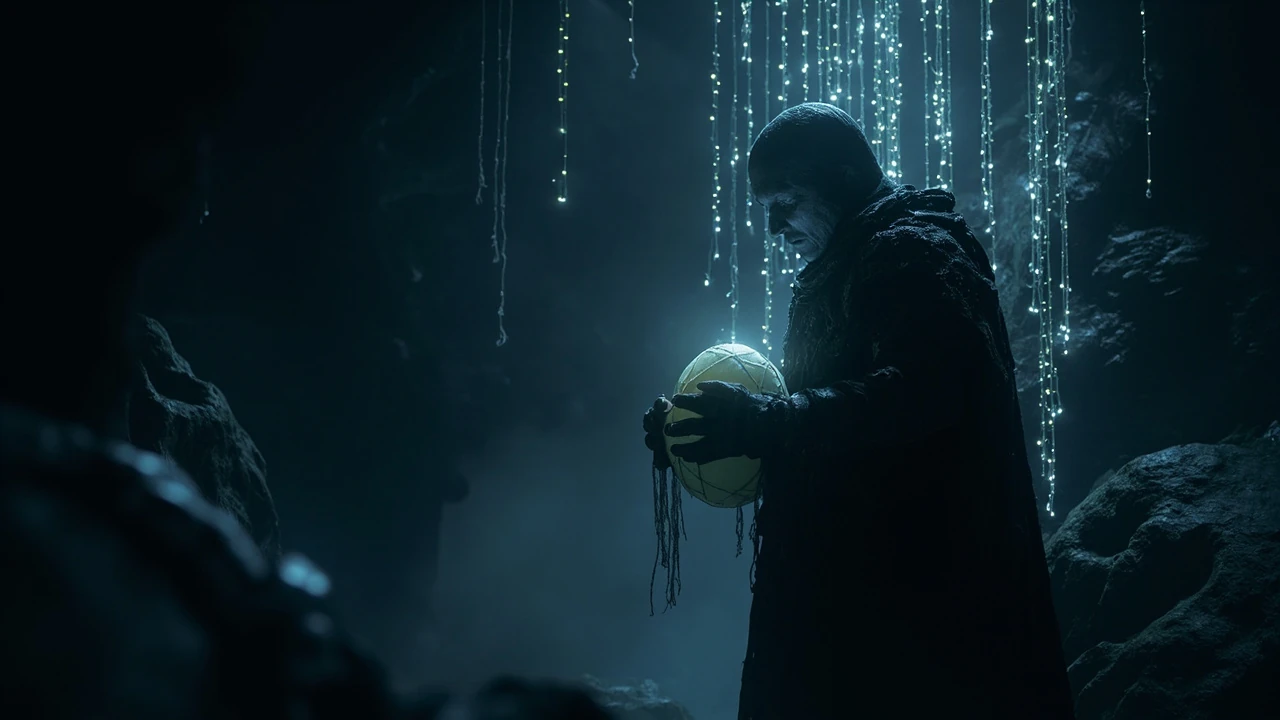
Based on the public Silksong material Team Cherry has released and the broader Hollow Knight canon, the most defensible reading of “queen’s egg silksong” is the pale, sealed egg that Hornet carries or guards during the journey through Pharloom. The original game treats sealed eggs as containers of vast beings, so a royal egg in the sequel would carry narrative weight rather than serve as a simple quest pickup. The phrase is not an official item name in any public build, so the rest of this section deals in confirmed narrative architecture rather than guaranteed wording.
- Likely role: a story object tied to Hornet’s identity as the daughter of Herrah and the Pale King, both royal figures from Hallownest.
- Likely origin: a Pale King creation, or a parallel artifact crafted by the Weavers or a related group within Pharloom.
- Likely function in play: an object Hornet protects, an objective that triggers escort or defense sequences, or a sealed container that unlocks a late-game area.
- Common player assumption to test: whether the egg hatches, transforms Hornet, or simply serves as a narrative anchor for the ending.
Until Team Cherry publishes a nameplate, tooltip, or dialogue transcript, the exact label is a community shorthand. Treating it as shorthand, rather than as a confirmed item, keeps the rest of the analysis honest.
How the original Hollow Knight treats royalty, eggs, and sealed beings
To interpret a “queen’s egg” in Silksong, the first game’s design language is the most useful reference. Hollow Knight builds its world around a small set of recurring symbols: royalty, sealing, infection, void, and dream. The Pale King seals his own child inside the Black Egg at the heart of the Abyss, an act that drives the central tragedy and the locked ending path. The three Dreamers are sealed to maintain the Hollow Knight as a vessel. The Grimm Troupe introduces a cyclical sealed contract. None of these structures are incidental, and each one tells the player what the team means when an egg appears on screen.
Royalty in Hallownest is a system of consequence rather than a setting. The Pale King is defined by what he creates, conceals, and abandons. Herrah, Hornet’s mother, is defined by a bargain that takes her dreams in exchange for a child. Queen Vespa and other rulers surface in the lore as figures whose authority is tied to specific places. An “egg” in this design vocabulary almost always means a sealed life, a binding contract, or a sacrifice, and the question of who owns or guards it is the emotional core of the encounter.
Why Hornet’s relationship to royalty matters more than the egg itself
Hornet is the child of two royal figures, raised in a kingdom that was already broken when she was born. The original game frames her as someone who enforces rules she did not write: she blocks the Knight at the Black Egg and only steps aside after the void is dealt with. That design choice matters for Silksong. If Hornet is now guarding a royal egg, the narrative reason she carries it is more interesting than the inventory effect of the object. The egg becomes a way for the team to ask what Hornet owes to the royal systems that produced her, and what she owes to the new kingdom she is walking through.
What official Hollow Knight: Silksong material does and does not show
Team Cherry’s public communication for Silksong has been deliberately restrained. The first major trailer revealed Hornet as the protagonist and Pharloom as the new kingdom. Subsequent trailers and the public Steam page added names, locations, and a small set of abilities. None of those assets, at the time of writing, contain a tooltip or description that calls any object a “queen’s egg.” That absence is important: it tells players to keep the term at the level of a community description rather than treating it as a confirmed item.
| Source type | What it confirms | What it does not confirm |
|---|---|---|
| Trailers and demo footage | Hornet as protagonist, Pharloom as setting, certain NPC and boss names | A specific item labeled “queen’s egg” |
| Official store page copy | General premise, platform targets, that the game is a sequel to Hollow Knight | Story beats, ending conditions, egg mechanics |
| Developer interviews | Design intent around Metroidvania structure and Hornet’s identity | The name, function, or outcome of any royal egg object |
| Community wikis and discussion | Player interpretations, fan art, compiled trailer observations | Authoritative item descriptions or release data |
The same pattern of restraint is visible in the broader Hollow Knight release history. The original game’s most discussed story beats were confirmed through in-game text, achievement descriptions, or named endings, not through pre-release marketing. Silksong is following a similar path, which is part of why a phrase like “queen’s egg silksong” can grow in search volume without a corresponding official anchor.
How Pharloom’s design echoes Hallownest’s royal structures
Pharloom is described in the public material as a kingdom of silk and song, ruled by figures tied to performance and devotion. The relationship between ruler and subject in such a setting is rarely clean, and the first game’s design language suggests Team Cherry will lean into that. A royal figure in Pharloom who owns or creates an egg is a natural extension of the way Hallownest treated royalty as a trap. The egg is likely the surface, and the binding or contract around it is likely the substance.
For players tracking the topic, the useful question is not whether the egg exists but which system it belongs to. Three possibilities fit the established design vocabulary, and each one implies a different set of in-game consequences.
| Role | What it suggests in play | Original-game parallel |
|---|---|---|
| Sealed life that must be protected | Escort or defense sequences, an egg that follows Hornet or stays at a hub | The Black Egg at the heart of the Abyss |
| Binding contract for a kingdom or ruler | Quest lines around who owns the egg, who can break the seal, and what breaking it costs | The Dreamer seals that lock the Hollow Knight |
| Royal heir or successor | An endgame reveal that reframes Hornet’s identity or the kingdom’s future | The Pale King’s children in the Abyss |
None of those roles is confirmed. They are useful because they match how the team has used the same symbols before, and because they give players a vocabulary for evaluating any new piece of footage or text. If a future trailer shows Hornet carrying an egg through a specific area, the role of the egg in the table above becomes the next question to ask.
Why players search for “queen’s egg silksong” before launch
The search pattern around this term is informative in itself. Players do not usually search for an item they have already found. They search for it because they saw it referenced in a video, a forum thread, a meme, or a fan translation, and they want to know whether it is real, what it does, and how to plan around it. That is a mix of three intents at once: confirmation, explanation, and anticipation. A useful page on the topic has to address all three without collapsing into speculation.
- Confirmation intent: is there actually a queen’s egg in the game, and is the term used by Team Cherry or only by the community?
- Explanation intent: if it exists, what is it, and how does it fit the lore from the first game?
- Anticipation intent: when the game is available, how will a player find or interact with it, and what should they expect from the experience?
These three intents map onto three different kinds of evidence. Confirmation leans on primary material from Team Cherry. Explanation leans on the first game’s design vocabulary and the lore already in the public trailers. Anticipation leans on documented gameplay systems, such as quest triggers, hub upgrades, and ability-gated exploration, that have been shown in trailers and on the Steam page. Mixing them carefully is the editorial challenge, because the temptation to over-claim is strong in a community that has waited years for a release.
How the quest and item systems work in documented Silksong material
Trailers and the public Steam page for Silksong have shown a small set of systems that any royal egg would have to fit into. Hornet has movement abilities built around silk: a thread pull, a dash, a vertical climb variant, and tools that act as her version of charms. Quests are presented through named NPCs and the Request system, in which characters post jobs on a board. Exploration follows a Metroidvania structure with ability gates, so any story object needs a clear path to discovery.
- Movement tools: thread-based traversal that lets Hornet reach areas closed off in the first game.
- Combat tools: equippable crests and tools with limited uses, in the same role charms played in the original.
- Quest surfaces: NPCs with dialogue that opens side activities, and a Request board for repeatable contracts.
- Hub behavior: a central area where Hornet can rest, equip tools, and accept or return quests.
A royal egg that ties into those systems could plausibly be a Request reward, a hub upgrade, a key item for a late-game path, or a narrative object that simply appears in cutscenes. The game’s broader design language, which the official Hollow Knight reference work describes through the established wiki canon, treats sealed objects as keys, so the most likely fit is some combination of quest trigger and key item. Until a tooltip or description names the object, the safest read is that the egg is part of the story rather than a separate inventory entry.
Production and design context for a sequel with this much lore weight
From a production perspective, Silksong is a sequel that has to honor a very dense canon while still letting new players in. Team Cherry’s public approach has been to keep the world readable on its own and let returning players find the connective tissue. A royal egg object is a useful design tool in that kind of project because it gives the team a single visual anchor that the camera and the music can use, without forcing the player to read long lore pages. The egg becomes the image, and the surrounding context is layered in through dialogue, item descriptions, and environmental storytelling.
That choice also helps the team manage risk. The first game shipped with a relatively small amount of hand-drawn cutscene work and a large amount of in-engine storytelling. A physical object that Hornet can carry is cheap to animate, recognizable on small screens, and easy to integrate with the existing movement system. The cost of doing it well is mostly in the writing and the staging, which are exactly the parts the studio is known for. For a small Adelaide-based team, this kind of reusable symbol is also a scheduling hedge: a single object can carry the weight of an entire subplot, which keeps the writing room focused on dialogue and the animation team focused on boss encounters.
How to follow Silksong updates without amplifying rumors
Because the term “queen’s egg silksong” can spread quickly through fan channels, the right way to follow news is to anchor on a short list of primary sources and to treat every other claim as interpretation. The list below is enough to stay informed without having to sort through speculative threads on a daily basis.
- Team Cherry’s official site and social channels for direct announcements, trailer drops, and release updates.
- Verified storefront pages on Steam and the console stores, which carry the latest platform and feature lists from the publisher.
- Reputable press previews and developer interviews from outlets that have been given access, treated as the highest tier of secondary evidence.
- Established wikis and community resources that source their claims and date their edits, useful for cross-checking what is and is not confirmed.
- Footage recorded from official demos or trailers, watched directly rather than through commentary, so the viewer can see what is actually on screen.
Anything that cannot be traced back to one of those five channels is, at best, interpretation. A useful habit is to note where a claim came from when sharing it, and to drop the claim once the source goes quiet or is corrected. The first game’s community learned this lesson slowly, and many of the most persistent myths from that era are still being cleaned up in fan wikis. A small but useful exercise is to keep a one-line source note on any screenshot you save, so that when a claim is corrected later, the old image can be retired along with it.
What to do while waiting for verified information
Players who want to be ready when the game arrives can do three things that are independent of any specific lore reveal. First, replay the original Hollow Knight with a focus on the Pale King, the Dreamers, and the Abyss, because those locations are the most likely anchor for any royal egg content. Second, watch the public Silksong trailers with sound on, because the audio in the series often contains story beats the visuals do not state directly. Third, keep a short note of any NPC, location, or item that is referenced in passing, because small details tend to be how Team Cherry foreshadows later beats.
For developers or producers reading this from a craft perspective, the deeper lesson is that a small team can carry a large amount of narrative weight by using a tight set of symbols across an entire world. Eggs, threads, silence, infection, and royalty are all examples from the existing canon, and they are the same tools Silksong is most likely to lean on. Studying how the team recycles those symbols is useful even for projects that have nothing to do with Metroidvanias, because the same principle applies to any sequel that has to honor a dense first entry without alienating newcomers.
How the queen’s egg fits into Hornet’s character arc
Hornet’s arc across both games is about the cost of being bound to systems she did not choose. In the first game, she enforces a contract that requires the Knight to be strong enough to enter the Black Egg. In Silksong, she is the central character rather than a gatekeeper, so the question becomes what she is willing to bind herself to in order to protect someone else. A royal egg is a strong fit for that question because it gives her an object that is both important and fragile, and it forces the player to move through the world with that responsibility in mind.
If the egg turns out to be a sealed heir, the arc would mirror the Pale King’s choice and ask whether Hornet repeats it or refuses it. If the egg is a contract object, the arc would ask who has the right to break a royal seal. Either reading keeps the player close to the themes Team Cherry has used before, which is one of the reasons the community is so invested in the term despite the lack of official confirmation. There is also a quieter reading worth keeping in mind: the egg could be a red herring that exists to put pressure on Hornet without ever paying off the way the player expects, which is a writing move the team has used in side content like the Grimm Troupe and the Godseeker arc.
Common misconceptions to clear up before launch
A few specific misconceptions already appear in fan discussions and are worth addressing now, because they tend to repeat as soon as new footage arrives. The list below is short on purpose: clearing the most common errors is more useful than cataloging every speculative take.
- The term is an official item name. It is not, in any public build, tooltip, or press kit at the time of writing.
- Team Cherry has confirmed an egg mechanic. No press release, interview, or trailer transcript has done so.
- The queen in the phrase is necessarily a single named character. “Queen” is shorthand; the actual royal figure could be from Hallownest, from Pharloom, or from a new faction introduced in the sequel.
- Carrying an egg will slow Hornet down. There is no confirmed mechanic, and the team’s previous design choices suggest a narrative object rather than a movement penalty.
Clearing these points does not close the question. It simply keeps the question honest while players wait for the verified answer.
What a verified answer would look like when it arrives
When Team Cherry does confirm the egg, the confirmation will almost certainly take one of three forms, and each form has a different level of trust attached. Knowing the difference helps players calibrate their reaction.
| Form of confirmation | Trust level | What it would tell the player |
|---|---|---|
| In-game tooltip or item description | Definitive | The object’s official name, its lore, and its gameplay use |
| Developer interview or written devlog | High | The design intent, the role in the story, and any caveats about endgame content |
| Trailer or pre-release footage | Medium to high | Visual and audio cues that hint at the object’s role, but not always the final wording |
Of those three, only the in-game text is authoritative. Interviews and trailers can be edited or re-cut, and the team’s own comments in early press have sometimes been adjusted in the final build. The pattern from the first game is that the most reliable lore is the lore the player can read in the pause menu. A useful secondary check is to wait for a second source: when two outlets report the same line from a hands-on preview, the claim becomes much harder for the studio to walk back.
Practical reading list for players who want the underlying context
Anyone who wants to dig deeper into the material the rest of this article draws on can start with two specific destinations. The first is the established overview of the original game, its world, and its production background, which gives the lore terms used throughout this piece a stable reference. The second is the running catalog of what has changed between the first game and the sequel, including tools, crest systems, and quest structures, which is the most reliable way to anchor any claim about how the egg will behave in play. Both are worth keeping open in a tab while reading trailers or preview notes, because they let you check a name or a system against a known source instead of trusting a comment thread.
Reading the original Hollow Knight overview on Wikipedia first also helps with vocabulary, since much of the early Silksong coverage uses the same terms. Once that grounding is in place, the differences and new features coverage is more useful, because the reader can sort documented changes from speculative claims without having to learn the franchise from scratch in the middle of a hype cycle.
Frequently asked questions
Is the queen’s egg an official item in Hollow Knight: Silksong?
No public build, official trailer, press kit, or storefront description has used the exact phrase “queen’s egg” as an item name at the time of writing. The term is a community description that fits the recurring egg motif in the franchise and the royal imagery around Hornet. Until Team Cherry publishes a tooltip or in-game description, the safest position is that the term describes a likely narrative object rather than a confirmed inventory entry.
What is the queen’s egg likely connected to in the lore?
The most defensible read is that the egg is connected to Hornet’s identity as the child of Herrah and the Pale King, both royal figures in Hallownest. The first game uses sealed eggs as containers of vast beings, so a royal egg in Silksong would naturally tie Hornet’s protective role to a larger being or contract. For background on the Pale King and the Abyss sequence, the established Hollow Knight reference on Wikipedia gives a clear, citable overview of how the original game frames royal lineage, sealed beings, and the Black Egg.
Will the queen’s egg be a quest item or a key item?
Based on the way the first game handled sealed objects, the most likely design fit is some combination of a quest trigger and a key item. That is a read, not a confirmation. A Request from an NPC could set the egg in motion, and the egg could then become the key that unlocks a late-game area or ending path. The exact role will only be clear when the game ships or when Team Cherry confirms a tooltip.
Does the queen’s egg change how Hornet plays?
There is no public evidence that carrying the egg alters Hornet’s movement or combat in a mechanical way. The original game treated sealed objects as narrative anchors rather than movement penalties, and the public Silksong material has not introduced an egg-based mechanic. If a mechanic does appear, the change will most likely be scripted to specific cutscenes or boss fights rather than a persistent gameplay modifier.
Is the queen’s egg tied to a specific ending?
That is one of the most common community questions, and the honest answer is that it is not yet known. The first game had multiple endings tied to sealed objects, so a sequel that introduces a new royal egg has natural room for a similar structure. Whether the egg hatches, is broken, is offered, or is left alone will only be answerable once the game is in players’ hands and the endings can be documented from a real build. Players who want to plan around the question can review the documented differences and new features coverage on IGN as that catalog continues to grow.
How does Pharloom’s design support a royal egg story?
Pharloom is described in the public material as a kingdom of silk and song, with rulers tied to devotion and performance. A royal egg fits that setting because it gives the rulers a sealed object of devotion and gives Hornet a reason to question the cost of that devotion. The combination of an opulent kingdom and a fragile object is also a natural fit for the Metroidvania structure, where hub areas and ability gates shape how the player encounters story objects over time.
When will the queen’s egg be confirmed officially?
There is no public release date or roadmap that names the egg specifically. The honest answer is that confirmation will arrive through whatever channel Team Cherry uses to introduce the object, whether that is a trailer, a preview, a demo, or the final release. Until then, the term remains a community description, and players should treat it as a guide for what to look for rather than as a fact about the game.
Are there other royal figures in Pharloom players should learn about before launch?
The public trailers and store copy reference a small set of names tied to Pharloom’s hierarchy, and a careful pass through that material is the most efficient way to prepare. The same exercise is worth doing for the original game’s Pale King, Herrah, and the three Dreamers, because they are the most likely anchor for any royal egg content in the sequel. Treat each name as a thread to follow rather than a confirmed plot point, and the wait for verified information will be more productive.
Where can readers verify the gameplay differences mentioned in this article?
The most stable single source is the running catalog of documented changes for Silksong, which covers tools, crests, quest structures, and the new traversal options. Pairing that page with a playthrough of the original game is the fastest way to ground any claim about how the egg will behave when the sequel is finally in players’ hands.

Leave a Reply